
Chicago Dehumidification to Dry Out Your Walls and Floors
After water damage in Chicago, the visible puddles are only part of the problem. Moisture that soaked into drywall, subfloors, and the air of your home can linger long after the surface looks dry, and that hidden dampness is what…
About dehumidification
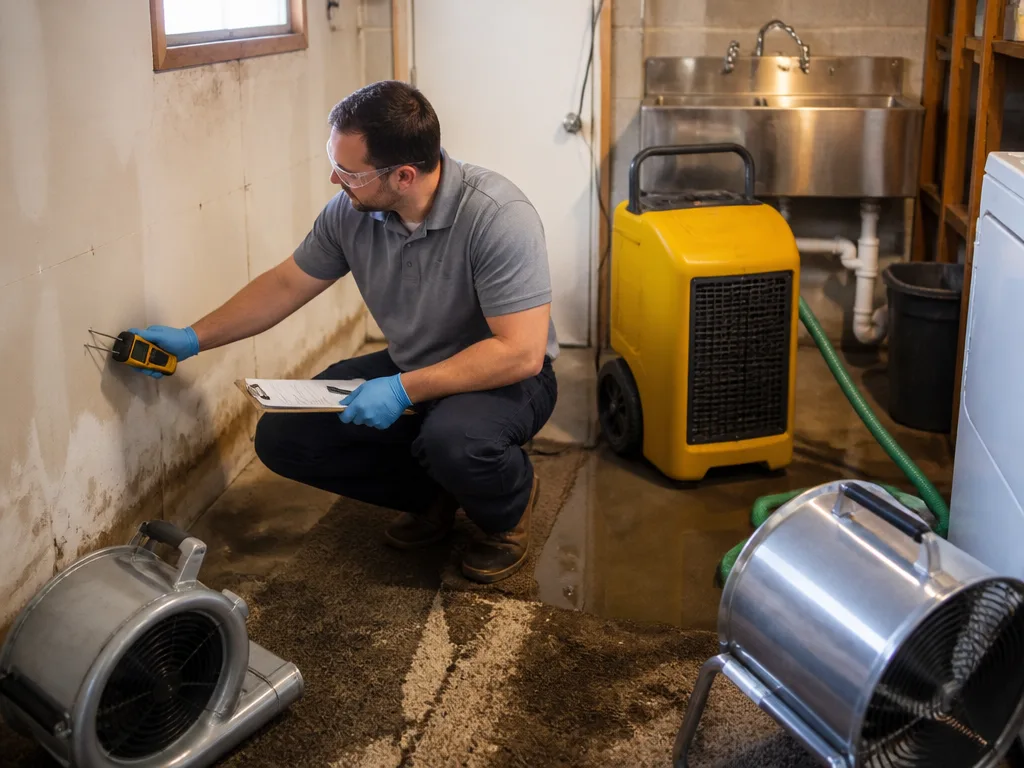
Dehumidification is a drying phase within water damage restoration. After standing water is removed, it is common for moisture to remain in building materials and in the surrounding air. Our crew sets up dehumidifiers sized for the affected area, positions air movers where they will do the most good, and monitors moisture readings in walls, flooring, and framing over the course of the job. We document readings daily so you can see progress rather than guessing. This service is a good fit for Chicago homeowners and property managers dealing with basement flooding, supply line failures, storm-related water intrusion, or leaks that went unnoticed behind walls. It is also useful for condominium and rental owners who need a documented drying process before rebuilding. Our team coordinates with you on access, pets, and scheduling so the work fits around your household.
Signs you need dehumidification
- Your basement or lower level still smells musty or damp days after the water was cleaned up.
- Baseboards, trim, or cabinet bottoms are swelling, warping, or pulling away from the wall.
- Hardwood or laminate floors feel soft, cupped, or are lifting at the seams after a leak.
- Paint is bubbling, peeling, or showing dark staining on walls that were wet during the event.
- Windows and surfaces keep fogging or beading with condensation even after the rain has stopped.
- A moisture meter or hygrometer shows readings well above normal in rooms that were affected by water.
Why choose Chicago Water Damage Restoration?
- Our restoration specialists are based in Chicago and know the neighborhoods, building styles, and basement conditions common across the city.
- We measure moisture in walls, floors, and air with calibrated instruments and share the readings with you each day.
- We set equipment sized to the actual affected area rather than guessing, so drying times stay as short as the conditions allow.
- We coordinate directly with your insurance adjuster and can provide the moisture logs and drying records they typically request.
- We explain each step in plain language, including what is happening behind the walls and when we expect the space to be dry.
- We stay on the job until readings confirm the structure has returned to a safe dryness level before we pack up our equipment.
From phone call to finished job
Four straightforward steps. No upsells.
You tell us what happened, when it started, and where the water came from, so we know which crew and equipment to bring along.
The restoration specialist checks moisture levels in walls, floors, and subfloors, then marks which materials can dry in place and which need to come out.
Our crew sets up air movers and dehumidifiers, pulls out soaked drywall or carpet where needed, and cleans the space so mold has less to work with.
After the work wraps up, you'll receive a written summary of the readings and the work completed, and you can call the team anytime with questions.
What you get
Materials dry thoroughly, which lowers the chance of mold growth inside walls and under flooring.
Reduced swelling and warping means trim, cabinets, and floors have a better chance of settling back into place.
Air quality in the affected rooms improves, which makes the home more comfortable for your household.
Documented daily moisture readings give you clear proof of drying progress for insurance and contractors.
Catching lingering moisture early can prevent costlier rebuilding work months down the road.
A properly dried structure gives painters, flooring installers, and rebuilders a stable base to work on.
Talk to a local pro now
(312) 210-1316Questions about dehumidification
Don't see your question? Call (312) 210-1316 and we'll answer it.
How long does dehumidification take after water damage in Chicago?
Drying time depends on how much water got into the building, what materials were affected, and how humid the air is. Many jobs in Chicago homes run several days, while larger losses involving thick walls or subfloors can take longer. We check moisture readings daily and will tell you when the space reaches a safe level, so you are not left guessing about the timeline.
Do I need to stay out of the house while dehumidifiers are running?
You can usually stay in most parts of the home, but we ask that you keep affected rooms closed off and avoid blocking equipment. The units run continuously and can be loud, so many homeowners choose to stay elsewhere during the most active drying days. We will walk you through what to expect on the first visit and answer any questions about daily access.
Will dehumidification fix mold that is already growing?
Dehumidification removes moisture so mold has a harder time spreading, but it does not remove existing mold growth by itself. If we find visible mold or suspect it inside walls, we will tell you before drying proceeds and recommend the appropriate next step. Addressing the moisture source and any growth early usually leads to better results and fewer surprises during rebuilding.
Is dehumidification covered by homeowners insurance in Chicago?
Coverage depends on your specific policy, the cause of the water damage, and how quickly the drying work begins. Many standard policies cover sudden water events and reasonable drying costs, but sewer backups or flood-related losses often need separate endorsements. We document every step with daily moisture logs and photos, and we can work directly with your adjuster to provide the records they need.
What happens after the drying equipment is removed?
Once our readings confirm the affected materials have reached a safe dryness level, we remove the equipment and provide a final moisture report. This report shows the starting and ending readings for each area, which helps your contractor or insurer plan repairs. If we see any remaining concerns, we will flag them so you can address them before rebuilding begins.
Need dehumidification today?
Real local restoration specialists. Careful work. One call away.