
Storm Water Flooding in Your Chicago Basement? Act Fast
When a summer storm dumps rain across Chicago faster than the sewers can carry it away, the first place many homeowners notice the damage is the basement or crawlspace.
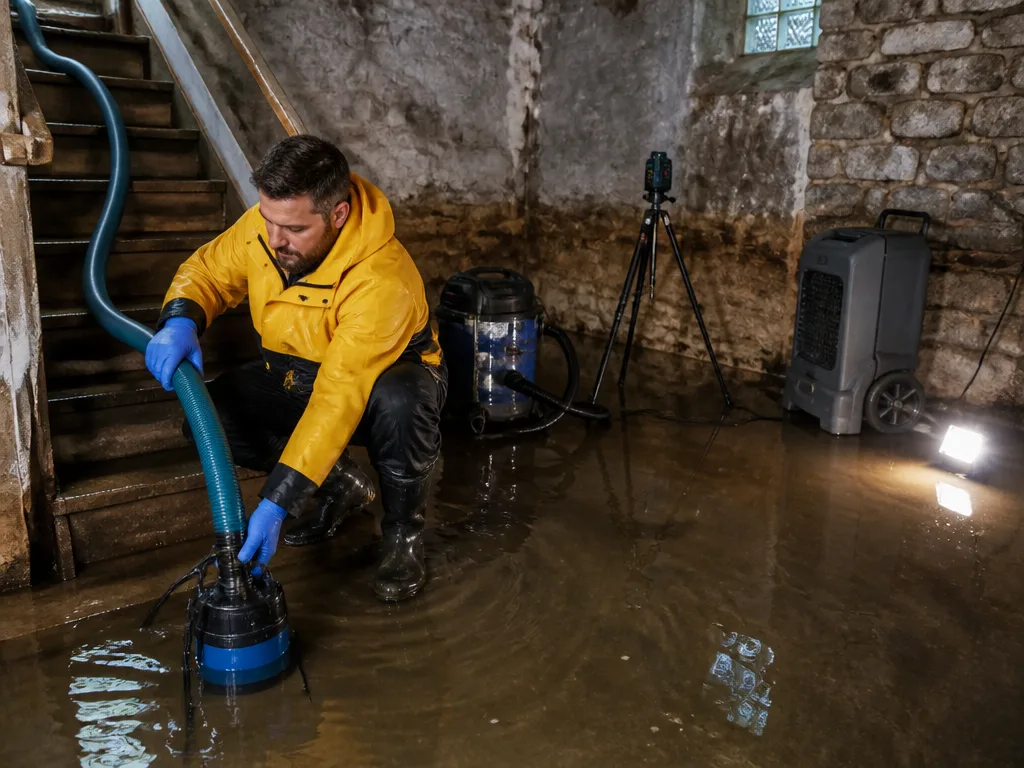
About storm water damage
Storm water damage is different from a burst pipe or appliance leak because it arrives from outside and often carries silt, debris, and contaminants picked up from the ground. Our service starts with a walkthrough to measure how far water has traveled, identify the source where we can, and decide what can be saved. We remove standing water with commercial pumps, then move to drying the structure itself, including wall cavities, subfloors, and the lower sections of drywall that wick moisture upward. Homeowners across Chicago neighborhoods, from older bungalows with fieldstone foundations to newer townhomes with finished lower levels, call us when they need a clear plan and a crew that treats their home with care. We also coordinate with your insurance adjuster by documenting conditions with photos and moisture readings so your claim reflects what actually happened.
Signs you need storm water damage
- Standing water or a damp, musty film covers the basement floor after a heavy rainstorm.
- Water stains or bubbling paint appear along the lower sections of basement walls.
- A crawlspace smells earthy and damp, or you see puddles near the access door after rain.
- Baseboards, carpet edges, or stored boxes feel wet or cold to the touch after a storm.
- Floor drains gurgle or back up when heavy rain falls across your Chicago neighborhood.
- White, chalky mineral deposits or flaking drywall paper show up along foundation walls.
Why choose Chicago Water Damage Restoration?
- Our restoration specialists are based in Chicago and understand the drainage and foundation conditions common across the city.
- We respond to storm water calls quickly because heavy rain events in Chicago often generate many urgent requests at once.
- Our crew uses commercial-grade pumps and drying equipment sized for basements and crawlspaces, not just household shop vacuums.
- We document moisture levels and conditions throughout the job so you have a clear record of the work performed.
- We explain what can be dried, what should be replaced, and why, before any materials are removed from your home.
- We serve Chicago first and nearby suburbs second, keeping our crews close to the neighborhoods we know well.
From phone call to finished job
Four straightforward steps. No upsells.
You tell us what happened, when it started, and where the water came from, so we know which crew and equipment to bring along.
The restoration specialist checks moisture levels in walls, floors, and subfloors, then marks which materials can dry in place and which need to come out.
Our crew sets up air movers and dehumidifiers, pulls out soaked drywall or carpet where needed, and cleans the space so mold has less to work with.
After the work wraps up, you'll receive a written summary of the readings and the work completed, and you can call the team anytime with questions.
What you get
Standing water gets pumped out quickly, which limits how deep moisture soaks into flooring and framing.
Structural drying reduces the chance of warped subfloors, weakened joists, and lingering odors.
Early moisture removal helps lower the risk of mold growth that can spread through a home.
Documented readings and photos give you clearer records for working with your insurance company.
A dried, sanitized lower level can return to use as storage, a family room, or a workspace sooner.
Clear communication about each step means you know what to expect from start to finish.
Talk to a local pro now
(312) 210-1316Questions about storm water damage
Don't see your question? Call (312) 210-1316 and we'll answer it.
How quickly should I call for storm water damage in my Chicago basement?
Call as soon as it is safe to enter the space and you have confirmed the water is not coming from an electrical hazard. The sooner standing water is removed and the structure begins drying, the lower the risk of lasting damage to flooring, drywall, and framing. Our team can usually discuss timing over the phone and advise you on immediate safety steps while you wait for our restoration specialists.
Is storm water in my basement dangerous to clean up myself?
Storm water can carry silt, sewage, and debris from streets and yards, so it should be treated with caution. Avoid wading through deep water, turn off power at the breaker if it is safe to reach, and keep children and pets away from the area. Our restoration specialists use protective equipment and proper handling methods to remove water and contaminated materials safely from your home.
Will my insurance cover storm water damage in Chicago?
Coverage depends on your specific policy, because many standard homeowners plans treat surface flooding differently than sudden pipe failures or sewer backups. Some homeowners carry separate flood or water backup endorsements. We recommend reviewing your policy and contacting your insurer promptly. We document conditions with photos and moisture readings to support your claim, but we cannot promise how your carrier will respond.
What does the storm water damage restoration process involve?
The process usually begins with an inspection to measure the affected area and identify moisture levels. Next, our crew pumps out standing water and removes saturated materials that cannot be dried effectively. Then we set up air movers and dehumidifiers to dry the structure, monitoring readings daily until the space reaches target levels. We finish with a final assessment so you know the space is ready for repairs or reuse.
Can you restore a crawlspace that flooded during a Chicago storm?
Yes, crawlspaces are a common area for storm water intrusion, especially in homes with lower grade or limited drainage. Our team accesses the space carefully, removes standing water, and inspects insulation, vapor barriers, and joists for moisture. Wet insulation is typically removed and replaced, and the crawlspace is dried before any repairs begin. We will explain what we find and recommend next steps once drying is complete.
Need storm water damage today?
Real local restoration specialists. Careful work. One call away.