
Chicago Flood Cleanup and Drying Done Right
When floodwater hits a Chicago home, the first hours matter more than most homeowners expect. Basements fill fast after a heavy storm on the North Side, a burst supply line can soak a Lincoln Park kitchen overnight, and a backed-up…
About flood restoration
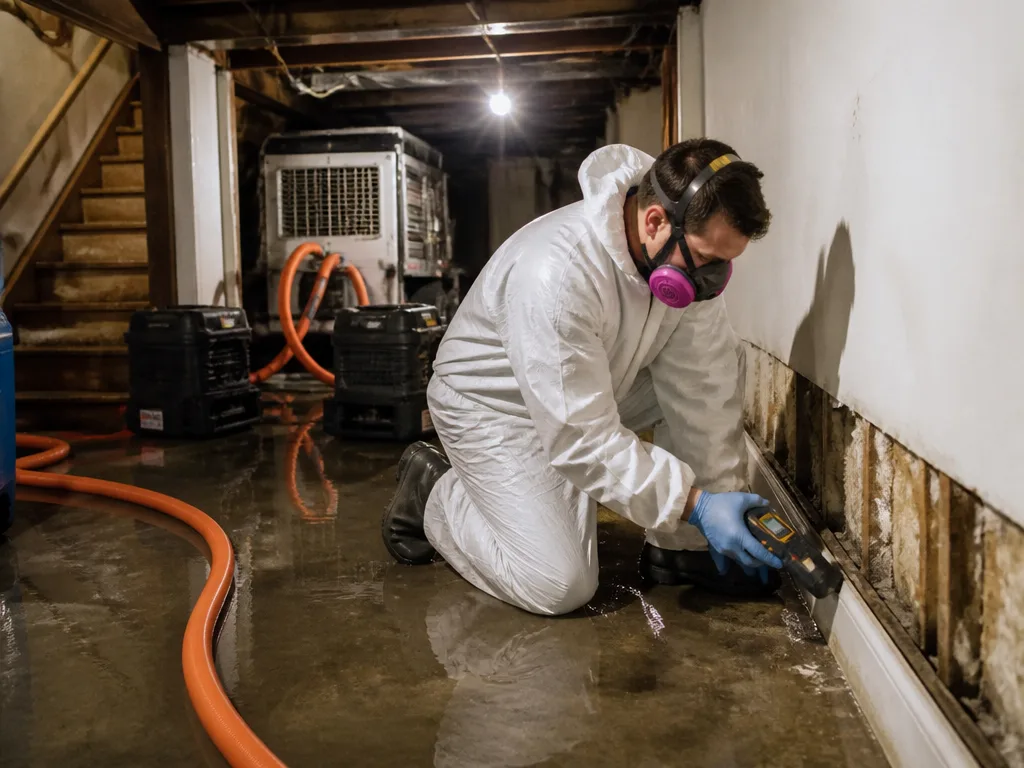
Flood restoration covers much more than mopping up. It starts with identifying the water category, which tells us how contaminated the water is and what materials and cleaning steps are safe. Next comes extraction of standing water, followed by removal of carpet pad, drywall, insulation, and flooring that has wicked up moisture and will not dry in place. Our team then sets up air movers and dehumidifiers, monitors moisture readings daily, and adjusts equipment until the building materials reach normal levels. Throughout the process we document conditions with photos and readings so you can share them with your insurance adjuster. This service suits homeowners dealing with basement flooding, appliance leaks, storm-driven water entry, and sewer backups, as well as condo associations and landlords managing multi-unit Chicago buildings who need a dependable crew on short notice.
Signs you need flood restoration
- Your basement or lower level smells musty or damp hours after a storm has passed through the area.
- Baseboards, drywall, or paneling show dark staining, bubbling paint, or a soft feel when pressed.
- Carpet or hardwood near an exterior wall stays wet to the touch even after you have run fans for a day.
- You notice water lines on basement walls or furniture legs after heavy rain or snowmelt in Chicago.
- Floor drains or a sump area are backing up, leaving puddles that return every time it rains.
- Visible mold patches, warped flooring, or sagging ceiling sections appear within weeks of a water event.
Why choose Chicago Water Damage Restoration?
- Our crews are based in and around Chicago, so response times reflect real neighborhood traffic and storm patterns.
- We explain the water category, the materials we are removing, and why each step matters before any work begins.
- Restoration specialists document moisture levels daily and share those readings with you, not just a final invoice.
- We have experience with Chicago's older basements, brick foundations, and shared-wall multi-unit buildings.
- We coordinate directly with insurance adjusters and property managers so paperwork does not slow down your recovery.
- Our focus stays on drying the structure fully, so the job ends with a home that is dry, not just looking clean.
From phone call to finished job
Four straightforward steps. No upsells.
You tell us what happened, when it started, and where the water came from, so we know which crew and equipment to bring along.
The restoration specialist checks moisture levels in walls, floors, and subfloors, then marks which materials can dry in place and which need to come out.
Our crew sets up air movers and dehumidifiers, pulls out soaked drywall or carpet where needed, and cleans the space so mold has less to work with.
After the work wraps up, you'll receive a written summary of the readings and the work completed, and you can call the team anytime with questions.
What you get
Faster return to livable rooms because drying equipment and material removal are coordinated from the first visit.
Lower risk of hidden mold and structural rot, since wet materials are addressed before they spread into walls and subfloors.
Clear moisture readings and photo documentation that make insurance claims easier to review and support.
Safer indoor air during cleanup, with containment and proper removal of contaminated materials where needed.
Reduced replacement costs when salvageable belongings and building materials are dried correctly instead of discarded.
Peace of mind knowing a licensed local crew is monitoring the drying process until readings return to normal.
Talk to a local pro now
(312) 210-1316Questions about flood restoration
Don't see your question? Call (312) 210-1316 and we'll answer it.
How quickly can a restoration crew respond to a flooded home in Chicago?
Response time depends on storm volume and your location, but our goal is to get restoration specialists to your Chicago property as fast as possible after you call. Early arrival limits water absorption into floors, walls, and subfloors, which reduces the amount of material that needs removal. When you call, tell us where the water is coming from and whether it is still active so we can prioritize your visit.
Will my insurance cover flood restoration work in Chicago?
Coverage depends on your specific policy, the cause of the water, and whether you carry separate flood or sewer backup endorsements. We do not make coverage decisions, but we document conditions with photos, moisture readings, and a written scope of work that your adjuster can review. We are happy to speak with your insurance company directly so the claim moves forward with accurate information.
How long does the drying process usually take?
Drying time varies with the size of the affected area, the building materials involved, and the humidity level inside the home. Most jobs require several days of equipment running, with moisture readings taken daily to track progress. Our restoration specialists will tell you when materials reach normal readings and explain whether any additional removal is needed before the work is complete.
Do I need to remove furniture and belongings before you arrive?
If it is safe to do so, moving valuable items, electronics, and documents to a dry area helps protect them. Avoid walking through standing water near outlets or electrical fixtures, and turn off power to affected areas if you can do so safely. Our team will handle furniture moving and content protection during the job, and we will walk you through which items may be salvageable.
Why is hidden mold a concern after a flood, and how do you address it?
Mold can begin growing within a day or two when materials stay damp, often inside wall cavities, under flooring, and behind baseboards where you cannot see it. We remove materials that cannot be dried effectively and verify moisture levels in surrounding structures before closing up the work. Our goal is to leave your Chicago home dry throughout, so the problem does not return weeks or months later.
Need flood restoration today?
Real local restoration specialists. Careful work. One call away.