If you've noticed a musty smell in the basement or a soft spot near the baseboard, the first question is usually about the bill. Fair enough. The honest answer is that moisture detection isn't one fixed job. Two houses on the same block can need very different amounts of work, and the reasons are mostly predictable once you know what to look for. Here's what our team at Chicago Water Damage Restoration checks first when we're figuring out how much time and equipment a job will take.
How much area is wet, and how far did it travel
Size is the obvious one, but the real question is how far the water went. A leak under a kitchen sink might soak the cabinet base and the floor directly beneath it. That's a small job. The same leak can also wick sideways into the subfloor, run along a joist, and show up three feet away under the hallway tile. The visible wet spot is often the smallest part of the problem.
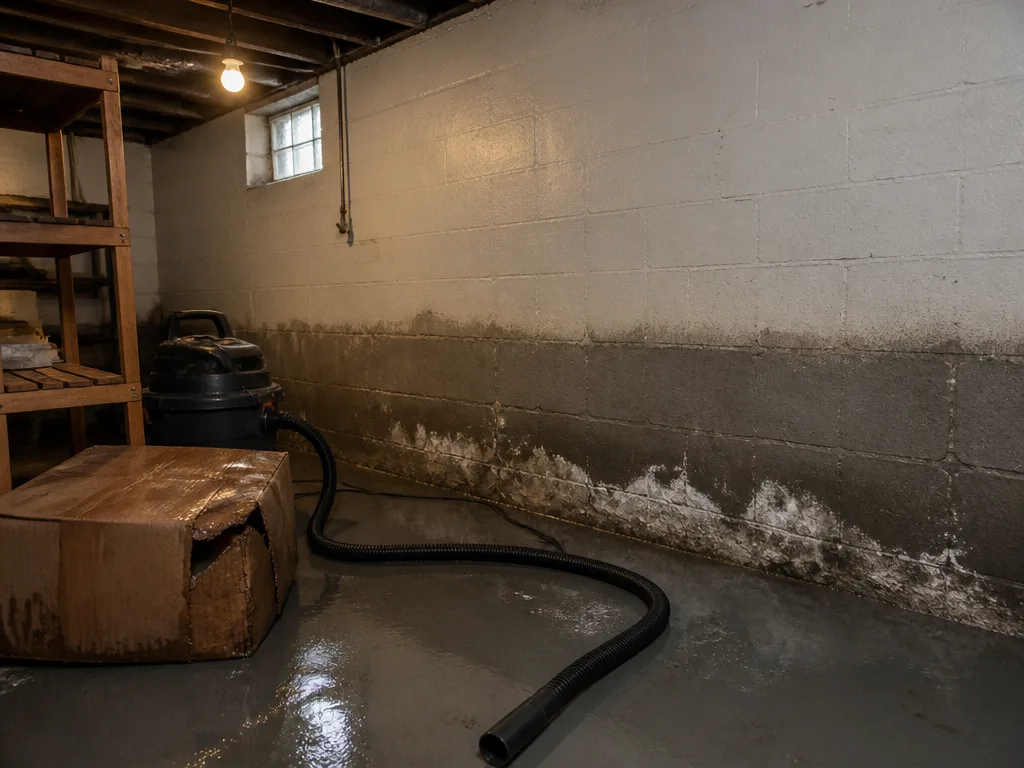
Chicago houses make this worse in a few specific ways. Many of the older brick two-flats and bungalows have plaster and lath walls, and water can sit inside those cavities for days without a stain ever reaching the paint. Basements with finished rec rooms often have carpet pad that acts like a sponge across a large floor area. When we walk a property, we're tracing the water's path, not just measuring the puddle.
When you call us, tell us which rooms are affected and whether the water crossed into any hallway or closet. That single detail tells us a lot about how much ground we'll need to cover.
The materials underneath your floors and walls
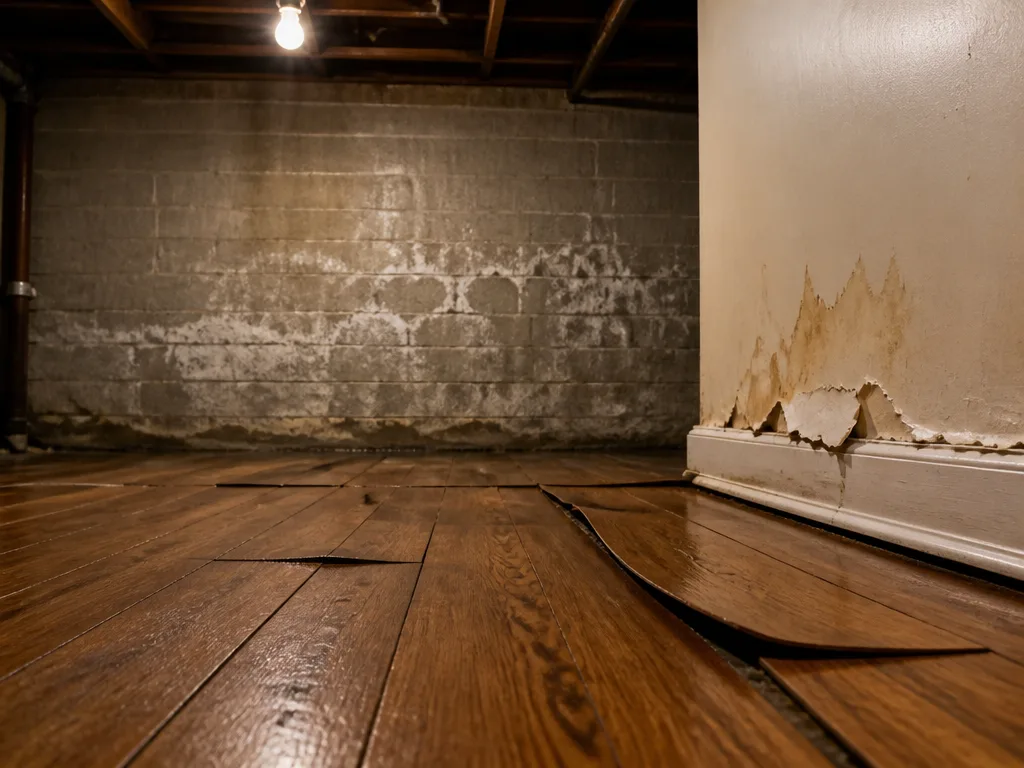
Materials decide how easily water moves and how hard it is to dry out. Solid wood flooring, laminate, ceramic tile, and wall-to-wall carpet all behave differently. Tile sits on top and often lets water pool underneath without much surface sign. Hardwood can cup and swell within a day or two. Carpet and pad hold water like a dish towel, and the padding usually has to come out completely before the subfloor can be checked.
Drywall is another variable. Standard gypsum board that's been wet for a short time may dry in place with the right airflow. Once it's soaked through and has started to crumble at the bottom edge, it usually has to come out. Each cut opening adds time, and each opening lets us look inside the wall cavity, which is where many surprises turn up.
Some quick checks that help before we arrive:
- Press on the baseboard and the bottom inch of drywall. Soft or spongy means water has been there longer than it looks.
- Lift a corner of carpet near the wet area. A damp pad with a sour smell suggests the water has been sitting for a while.
- Note whether the flooring is solid wood, engineered wood, laminate, or tile. Tell us which one, even if you're not sure.
How long the water has been sitting
Time changes almost everything. Water that's been on a floor for an hour is a different job than water that's been in a wall for three weeks. The longer moisture stays in building materials, the more likely it is to cause swelling, staining, and the kind of hidden growth that needs its own handling. It also changes what our restoration specialists need to look for when they open things up.
People often wait because the leak seems small or because they're not sure whether to call. That's understandable. But a slow drip behind a toilet, a window sill that's been leaking through the caulk, or a washing machine hose that's been weeping for a month can cause more hidden damage than a sudden burst. Slow leaks are sneaky because they don't leave a big puddle to clean up.
If you know when you first saw the water, write it down. Even a rough guess helps. We'd rather hear 'sometime last week, maybe' than nothing at all.
Where the house sits and how it's built
Chicago's housing stock is varied, and that matters. A Lincoln Park greystone with a finished basement, a Bridgeport worker's cottage with a crawlspace, and a Rogers Park courtyard building each present different access problems. Crawlspaces are tight and often need careful work to reach the subfloor. Basements with low ceilings limit how much equipment fits. Multi-unit buildings add the question of whether water came from a neighbor's unit, which changes who's involved and what paperwork needs to happen.
Age also shows up in the framing. Older homes sometimes have wood that's been wet and dry many times over decades, which can make it harder to tell new damage from old. Newer construction may use materials that resist water better but still trap moisture behind finished surfaces. Neither is automatically cheaper or more expensive to check, but both require a different approach.
Access is the quiet cost driver. If the only way to reach the affected wall is through a closet that's packed to the ceiling, that's time spent moving things before anyone can start. Clearing a path to the affected area before we arrive, and keeping pets and kids out of the room, saves everyone a little time.
Hidden moisture, mold, and what the walls are hiding
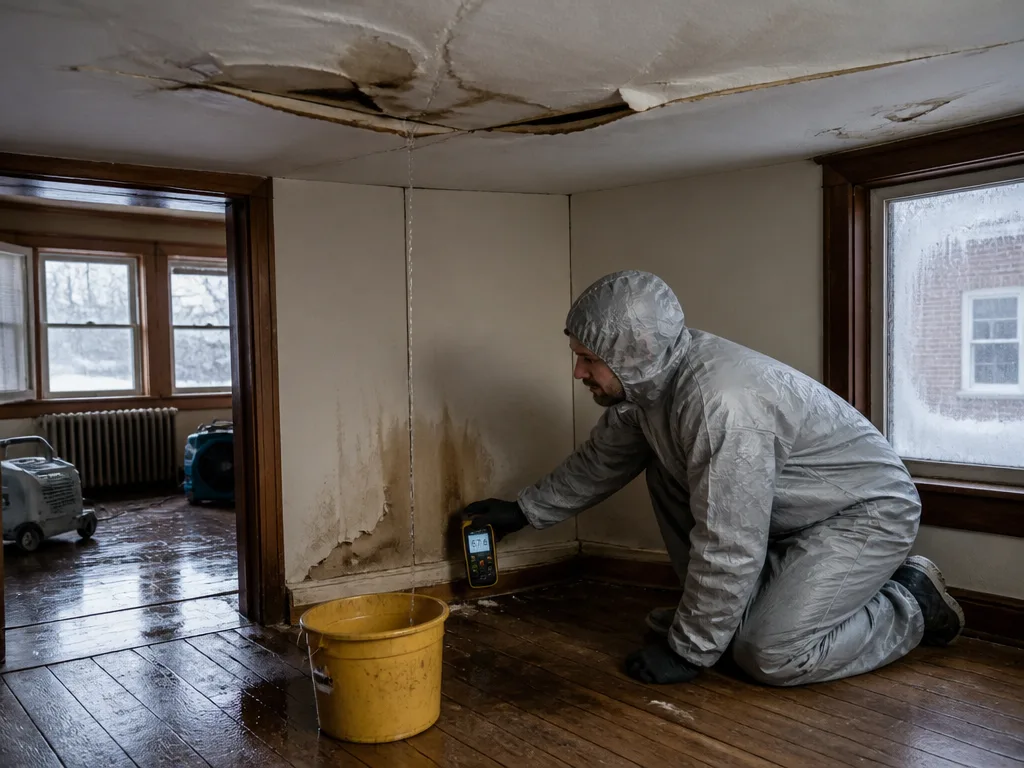
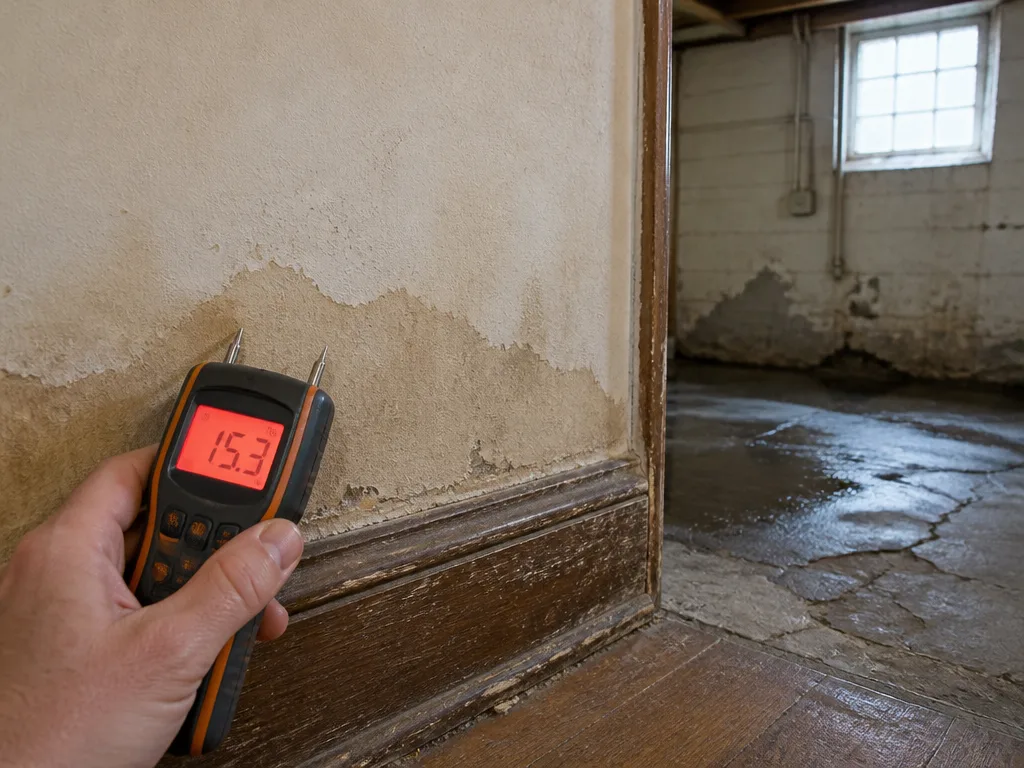
This is where estimates get harder to predict. Moisture that's trapped inside a wall or under a floor can keep spreading after the surface looks dry. Readings taken near the stain may look fine while the moisture has moved a few feet into the framing. That's why detection work often goes beyond the obvious spot.
Mold is the other unknown. If there's visible growth, or a strong musty odor with no obvious source, the job needs more containment and more cleanup. Mold can also be hiding behind paneling or under vinyl flooring, so we check those spots before we say how big the job is. We don't guess at it.
Here's a useful way to think about it. Surface damage on a few square feet of tile is usually straightforward. Wet insulation, soaked sill plates, and growth behind a wall make the job bigger, and they're much harder to see from the outside. The only real way to know is to open things up carefully and look.
What you can do before the call
You can make the first conversation more useful without doing any restoration work yourself. Shut off the water source if you can find it safely. Take clear photos of the affected area and the surrounding rooms, and get a picture of any stains that are spreading. Move small valuables and rugs out of the way, but leave furniture alone unless it's sitting in standing water.
Then call us at the number on our site and describe what you're seeing. Tell us the rooms, the flooring type, the house age if you know it, and when you first noticed the problem. Those details are what shape the moisture detection plan, and they'll help our restoration specialists come prepared when they arrive.
Chicago Water Damage Restoration serves the city and nearby communities, and we work with homeowners in every kind of building we see around here. If you're trying to figure out how much moisture detection is likely to involve, a phone call is the quickest way to start that conversation.